
High-Ticket Affiliate Marketing: The Ultimate Step-by-Step Guide for Beginners
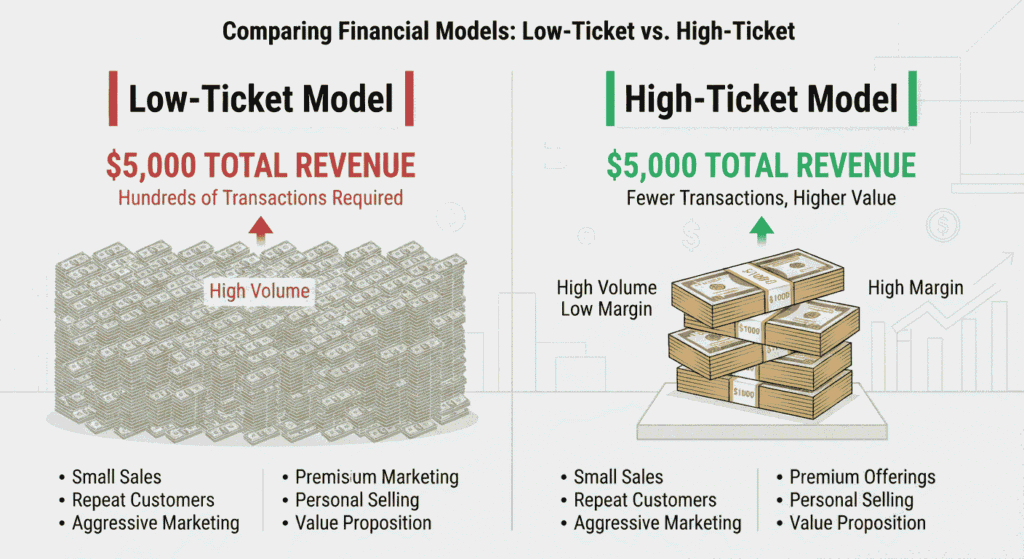
Before we dive into high ticket affliate marketing, let’s know what is affiliate marketing ?
Affiliate marketing is an online advertising model where you earn a commission for promoting another company’s products or services. When someone buys a product through your unique referral link, the company tracks that sale and pays you a percentage of the revenue. It is a performance-based system, meaning you only get paid when your promotion successfully drives an action like a sale, click, or lead.
🧭 What is High-Ticket Affiliate Marketing?
🏗️ Step 1: Choose a Highly Profitable High-Ticket Niche
🔍 Step 2: Find & Vet High-Ticket Affiliate Programs
Once you have established your sub-niche, you need to find reputable products to promote. High-ticket programs generally fall into three distinct categories:
🗺️ Step 3: Map Out Your Topical Authority Architecture
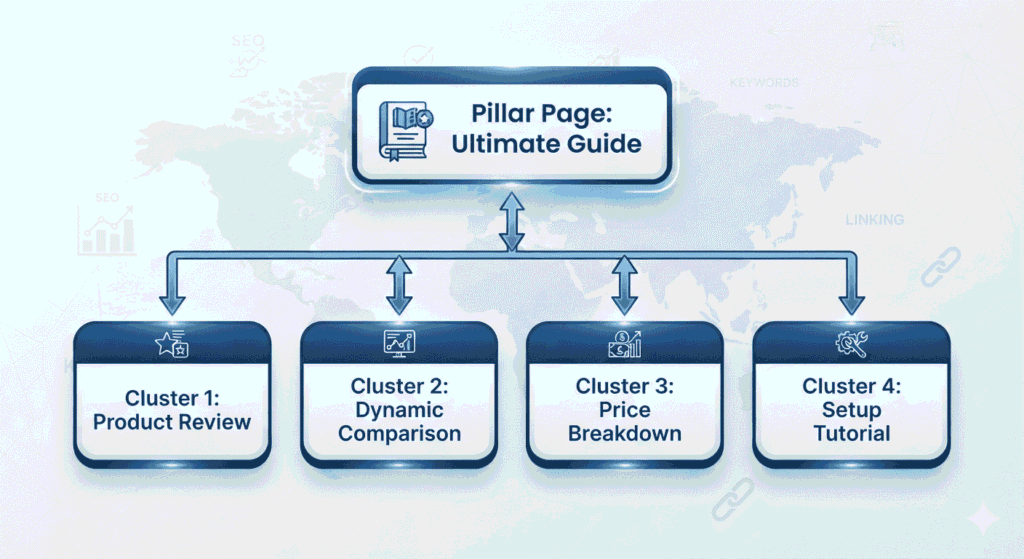
✍️ Step 4: Write SEO-Optimized Content for High-Ticket Buyers
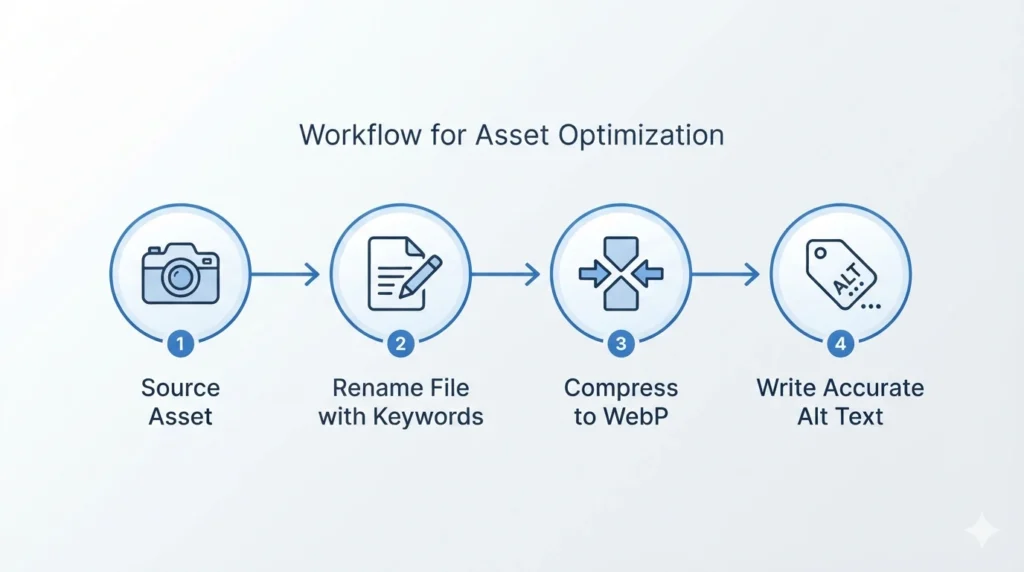
🎨 Step 5: Implement a High-Converting Visual Image Strategy
Images are not decorative elements; they are vital functional assets that improve your site’s user experience (UX), increase time-on-page, and drive independent organic traffic via Google Images.
📈 Step 6: Build a High-Ticket Relationship Engine (The Funnel)
Because high-ticket products cost hundreds or thousands of dollars, cold search traffic rarely buys on their very first visit to your blog. They need touchpoints, education, and trust. To capture these premium leads before they leave your site, build a simple lead capture funnel.
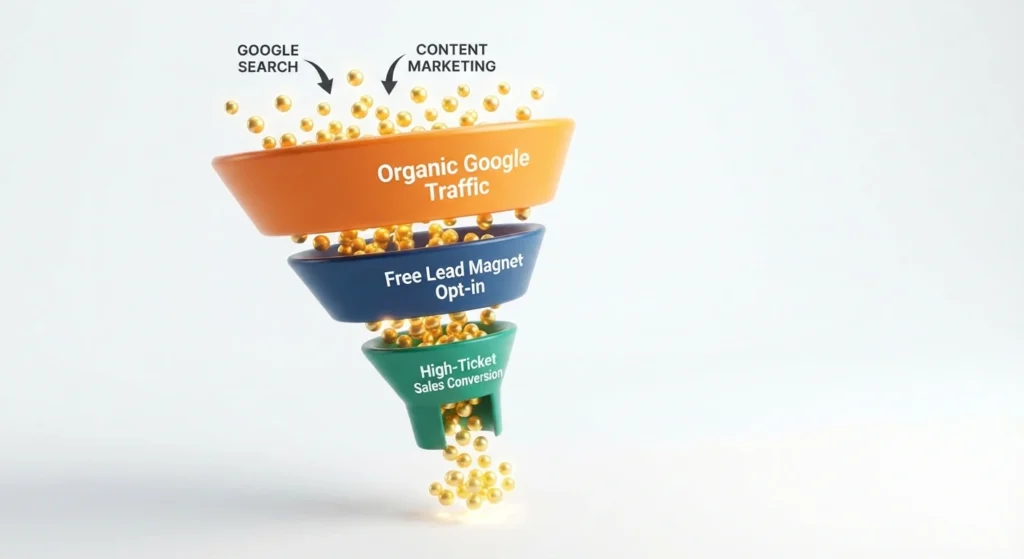
- Email 1: Deliver the free asset and introduce your professional background.
- Email 2: Highlight a major problem common to your niche and explain the cost of ignoring it.
- Email 3: Introduce your high-ticket affiliate product as the ultimate streamlined solution.
- Email 4: Share a detailed success story or case study of someone using the product.
- Email 5: Answer frequently asked questions regarding the product's price, setup, and return policies.